



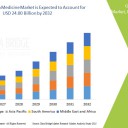
The precision medicine market is reshaping the global healthcare landscape by shifting the focus from generalized treatment approaches to highly personalized care. Precision medicine, also known as personalized medicine, uses genetic, environmental, and lifestyle information to tailor medical decisions, practices, and products to individual patients. This approach improves treatment effectiveness, reduces adverse effects, and enhances overall patient outcomes, making it one of the most promising areas in modern healthcare.
Understanding Precision Medicine
Precision medicine integrates advanced technologies such as genomics, proteomics, bioinformatics, artificial intelligence, and big data analytics to understand disease variability among individuals. Instead of treating a disease based solely on its symptoms, precision medicine identifies the underlying molecular and genetic causes. This allows healthcare providers to predict disease risk, diagnose conditions earlier, and select the most effective therapies for each patient.
The concept has gained significant momentum with the declining cost of genome sequencing, increased availability of digital health data, and growing awareness among clinicians and patients. As healthcare systems worldwide aim for better outcomes with optimized costs, precision medicine is becoming a core strategy.
Market Growth Drivers
Several factors are driving the growth of the precision medicine market. One of the primary drivers is the rising prevalence of chronic and complex diseases such as cancer, cardiovascular disorders, diabetes, and rare genetic conditions. These diseases often respond differently to treatments across patients, making personalized approaches more effective than traditional methods.
Technological advancements also play a crucial role. Innovations in next-generation sequencing, molecular diagnostics, and data analytics have made it easier to collect and interpret patient-specific information. Artificial intelligence and machine learning tools further enhance the ability to identify patterns in large datasets, accelerating drug discovery and clinical decision-making.
Another important driver is the increasing investment in precision medicine initiatives by governments, healthcare organizations, and pharmaceutical companies. Many countries are supporting large-scale genomics projects and digital health programs to promote personalized care. Additionally, pharmaceutical companies are adopting precision medicine to improve drug development success rates and reduce time-to-market.
Key Market Segments
The precision medicine market can be segmented based on technology, application, end user, and region.
By technology, genomics holds the largest share due to its widespread use in identifying genetic mutations and biomarkers. Other significant technologies include transcriptomics, proteomics, metabolomics, and bioinformatics. Among these, bioinformatics is experiencing rapid growth as it enables the analysis and interpretation of complex biological data.
In terms of application, oncology dominates the market. Precision medicine has transformed cancer treatment by enabling targeted therapies and immunotherapies based on tumor genetics. Beyond oncology, the market is expanding into cardiology, neurology, infectious diseases, and rare diseases.
Based on end users, hospitals and specialty clinics represent a major segment due to the increasing adoption of personalized diagnostic and treatment solutions. Research institutions and pharmaceutical companies also play a vital role, particularly in drug discovery and clinical trials.
Role of Precision Medicine in Drug Development
Precision medicine is significantly influencing the pharmaceutical and biotechnology industries. Traditional drug development often involves a trial-and-error approach, which can be time-consuming and costly. Precision medicine reduces these challenges by identifying specific patient subgroups that are more likely to respond to a particular therapy.
Biomarker-driven clinical trials improve success rates and help companies bring safer and more effective drugs to market. Companion diagnostics, which identify patients suitable for specific treatments, are becoming an integral part of precision medicine strategies. This alignment between diagnostics and therapeutics is driving innovation and collaboration across the healthcare ecosystem.
Regional Market Insights
North America leads the precision medicine market due to advanced healthcare infrastructure, strong research capabilities, and high adoption of genomic technologies. The presence of major pharmaceutical companies and technology providers further supports market growth in the region.
Europe follows closely, driven by government-supported genomics initiatives and increasing focus on personalized healthcare. Countries such as the UK, Germany, and France are investing in national precision medicine programs.
The Asia-Pacific region is expected to witness the fastest growth in the coming years. Factors such as rising healthcare expenditure, large patient populations, improving diagnostic infrastructure, and growing awareness of personalized medicine are contributing to market expansion. Emerging economies are increasingly integrating precision medicine into their healthcare systems.
Challenges and Limitations
Despite its strong growth potential, the precision medicine market faces several challenges. High costs associated with advanced diagnostic tests, data analysis tools, and targeted therapies can limit accessibility, especially in low- and middle-income regions. Data privacy and security concerns are also significant, as precision medicine relies heavily on sensitive genetic and health information.
Additionally, integrating precision medicine into routine clinical practice requires skilled professionals, standardized guidelines, and robust data-sharing frameworks. Limited awareness among healthcare providers and patients can further slow adoption.
Regulatory complexities and reimbursement issues also pose challenges. Many healthcare systems are still adapting their policies to accommodate personalized treatments and companion diagnostics.
Future Outlook
The future of the precision medicine market looks highly promising. Continuous advancements in genomics, artificial intelligence, and digital health technologies are expected to make personalized care more accessible and affordable. As data integration improves, precision medicine will move beyond treatment into disease prevention and early intervention.
The growing emphasis on value-based healthcare will further support market growth, as precision medicine aligns well with the goal of delivering better outcomes at optimized costs. Collaboration between technology companies, healthcare providers, and pharmaceutical firms will accelerate innovation and expand the scope of personalized medicine.
In the long term, precision medicine has the potential to redefine healthcare by enabling truly individualized care pathways. As adoption increases across regions and medical specialties, the precision medicine market will play a critical role in shaping the future of global healthcare.
Conclusion
The precision medicine market represents a fundamental shift in how diseases are understood and treated. By leveraging genetic, molecular, and data-driven insights, precision medicine delivers more effective, safer, and patient-centric healthcare solutions. While challenges remain, ongoing technological advancements, supportive initiatives, and increasing awareness are driving steady market growth. As healthcare systems continue to evolve, precision medicine is set to become a cornerstone of modern medical practice, offering improved outcomes for patients worldwide.
Neuste Artikel
- Medical Nonwoven Market Expands Rapidly Driven by Infection Control and Healthcare Demand (
 rrdbmr)
 - https://loc.edu/wp-content/uploads/event-manager-uploads/event_banner/2026/01/eleventwelve.pdf (
 fefdfg)
 - https://loc.edu/wp-content/uploads/event-manager-uploads/event_banner/2026/01/newtodayeightteen.pdf ( fefdfg)
- Luxury Candle Market Illuminates Growth with Rising Demand for Premium Home Fragrances ( rrdbmr)
- https://docs.google.com/document/d/1ZRQOVnbOSlprRoZBrTUoztpW9ANNae8mVchDWSyP2RY/ (
 wazuvosy)
 - https://docs.google.com/document/d/15kYF28heWAGoRbOLWOu9aCfsXZthig4bA540Cx-t61s/ ( wazuvosy)
Die neuesten Forenbeiträge
Werbung