



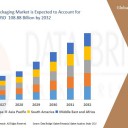
The pallets packaging market plays a fundamental role in global supply chains, serving as the backbone for efficient movement, storage, and protection of goods across industries. Pallets, typically constructed from wood, plastic, metal, or composites, are critical for handling products in warehouses, during transportation, and at retail distribution centers. As e-commerce, global trade, and industrial automation continue to expand, the demand for pallets packaging solutions has surged, prompting innovations, shifts in material preference, and strategic developments in the market landscape.
Understanding the Pallets Packaging Market
Pallets are flat structures used to support goods while being lifted by forklifts, pallet jacks, or conveyors. They standardize cargo units, enable safe stacking, and streamline logistics operations. Traditionally dominated by wooden pallets, the market has seen growing adoption of alternative materials such as plastic and metal, driven by hygiene requirements, sustainability goals, and the need for durability. Pallet packaging encompasses not just the pallet itself, but also complementary products such as pallet collars, slip sheets, and protective wraps, enhancing load stability and protection.
Key Market Drivers
1. E-commerce Expansion
The rapid rise of e-commerce has significantly influenced the pallets packaging market. With online retail fueling frequent shipments of small and large items alike, logistics providers require robust and reusable pallets to handle diverse payloads. The need for quick order fulfillment and reliable returns processing has boosted demand for standardized pallet solutions that reduce handling time and minimize damage.
2. Globalization of Supply Chains
Global supply chains have grown in complexity, connecting manufacturers, suppliers, and consumers across continents. Pallets enable efficient movement of goods through ports, rail networks, and trucking routes. As international trade volume increases, so does the requirement for pallets that meet regulatory standards across regions. The pallets packaging market benefits from these macroeconomic trends, aligning with the growth of manufacturing and export activities worldwide.
3. Sustainability Initiatives
Environmental concerns and sustainability mandates are reshaping packaging practices. Wooden pallets, while traditional and widely used, raise issues related to deforestation and waste. This has prompted greater interest in recycled and recyclable pallet materials, particularly plastic and metal. Reusable plastic pallets, for instance, offer longevity and lower lifecycle environmental impact, making them attractive for companies striving to reduce carbon footprints and achieve circular economy targets.
4. Technological Advancements
Smart packaging technologies are increasingly integrated into pallets. Embedded sensors and RFID tags enable real-time tracking, condition monitoring, and inventory control. These innovations improve visibility throughout the supply chain, reducing losses and optimizing resource utilization. As companies adopt Industry 4.0 practices, the pallets packaging market is evolving to incorporate digital solutions that enhance operational efficiency.
Material Trends and Preferences
The choice of pallet material significantly influences performance, cost, and sustainability.
Wooden Pallets: Still the most commonly used due to low cost, ease of repair, and widespread availability. Wood’s natural properties provide strength and flexibility, making it suitable for heavy loads. However, susceptibility to moisture, pests, and decay drives demand for alternatives in specific applications.
Plastic Pallets: Favored for hygiene-sensitive industries such as pharmaceuticals and food and beverage. Plastic pallets are lightweight, resistant to chemicals, and easily sanitized. They offer a longer service life and consistent dimensions, facilitating automated handling systems. Their recyclability further strengthens their appeal.
Metal Pallets: Typically used for exceptionally heavy loads or long-term storage. Metal pallets provide unmatched durability and are ideal for industrial and military applications. Their cost is higher, but their robustness makes them indispensable in certain sectors.
Composite and Corrugated Pallets: Emerging options that balance strength with sustainability. Composite pallets combine materials like wood fibers and plastics, while corrugated pallets are lightweight and recyclable. These alternatives cater to niche demands and environmentally conscious enterprises.
Regional Dynamics
Market dynamics vary across regions based on infrastructure development, industrial activity, and regulatory frameworks.
North America: Characterized by mature logistics networks and high adoption of advanced pallet systems. Demand is driven by e-commerce growth and stringent safety standards. Reuse and recycling programs for pallets are more established, supported by regulatory incentives.
Europe: Focused on sustainability and circular economy practices. Strict environmental regulations and emphasis on reducing waste encourage use of recyclable and reusable pallet solutions. Cross-border trade within the European Union reinforces standardization requirements.
Asia Pacific: Rapid industrialization and expanding manufacturing hubs fuel significant demand for pallets. Countries like China and India are major contributors, driven by export growth and infrastructure investments. While wooden pallets remain prevalent, there is increasing uptake of plastic and composite options.
Latin America and Middle East & Africa: Gradual growth influenced by emerging logistics sectors and infrastructural improvements. Cost considerations often favor wooden pallets, but as supply chains modernize, diversified material usage is expected to rise.
Challenges Facing the Market
Despite promising growth prospects, the pallets packaging market faces several challenges.
1. Material Cost Volatility
Fluctuating prices of raw materials, especially wood and plastic resins, impact pallet manufacturing costs. Supply chain disruptions can exacerbate price instability, affecting profit margins and pricing strategies for pallet suppliers.
2. Environmental Regulations
While sustainability drives innovation, regulatory compliance can impose additional costs. Restrictions on the use of certain chemicals or materials, along with mandates for recyclable packaging, require manufacturers to adapt production processes and materials, potentially increasing expenses.
3. Damage and Loss
Pallet damage during handling and transportation remains a concern. Although reusable pallets reduce waste, they are susceptible to wear and tear. Tracking systems help mitigate losses, but implementation costs can be a barrier for smaller businesses.
4. Standardization Issues
Global logistics involves diverse standards for pallet dimensions and load capacities. Lack of universal standardization complicates international trade and interoperability. Efforts to harmonize specifications require coordination among industry bodies and governments.
Innovations Shaping the Future
The pallets packaging market is undergoing transformation through technological and material innovations.
Smart Pallets and IoT Integration: Sensors embedded in pallets can monitor temperature, humidity, and shock, offering vital data for sensitive goods like pharmaceuticals and perishables. IoT connectivity enhances supply chain transparency and predictive maintenance.
Automation Compatibility: As warehouses increasingly adopt robotics and automated storage and retrieval systems (AS/RS), pallets must meet precise tolerances and durability standards. This drives design improvements and material engineering.
Sustainable Materials Research: Development of bio-based plastics, recycled composites, and biodegradable options are gaining attention. These materials aim to reduce environmental impact while maintaining performance standards.
Circular Business Models: Pallet pooling and rental services are expanding. These models allow companies to use pallets without owning them, reducing upfront costs and encouraging reuse. Third-party providers maintain and circulate pallets, promoting efficiency and sustainability.
Market Outlook
The pallets packaging market is poised for sustained growth in the coming decade. Accelerated by e-commerce, global trade, and the transition toward smart logistics, demand for advanced pallet solutions is expected to rise across sectors. Sustainability will remain a core theme, pushing manufacturers to innovate with eco-friendly materials and systems that support reuse and recycling.
Digitalization will play an increasingly central role, with data-driven insights improving supply chain resilience and asset management. Regional growth patterns will continue to reflect broader economic trends, with Asia Pacific emerging as a key market due to its manufacturing prominence.
While challenges such as material cost volatility and standardization persist, strategic collaborations and technological adoption will enable market players to navigate complexities and capture opportunities. As industries evolve to meet consumer expectations for faster delivery, lower environmental impact, and higher quality, the pallets packaging market will adapt as an essential enabler of modern logistics success.
Neuste Artikel
- Medical Nonwoven Market Expands Rapidly Driven by Infection Control and Healthcare Demand (
 rrdbmr)
 - https://loc.edu/wp-content/uploads/event-manager-uploads/event_banner/2026/01/eleventwelve.pdf (
 fefdfg)
 - https://loc.edu/wp-content/uploads/event-manager-uploads/event_banner/2026/01/newtodayeightteen.pdf ( fefdfg)
- Luxury Candle Market Illuminates Growth with Rising Demand for Premium Home Fragrances ( rrdbmr)
- https://docs.google.com/document/d/1ZRQOVnbOSlprRoZBrTUoztpW9ANNae8mVchDWSyP2RY/ (
 wazuvosy)
 - https://docs.google.com/document/d/15kYF28heWAGoRbOLWOu9aCfsXZthig4bA540Cx-t61s/ ( wazuvosy)
Die neuesten Forenbeiträge
Werbung