


 kshdbmr
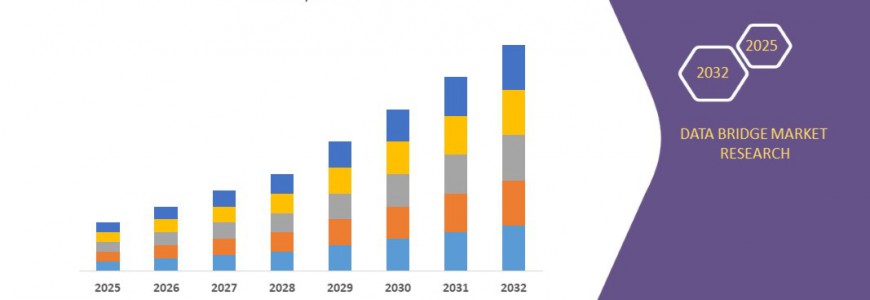
The global manga market size was valued at USD 14.84 billion in 2024 and is expected to reach USD 22.26 billion by 2032, at a CAGR of 5.2% during the forecast period
IntroductionThe manga market represents the global industry dedicated to the creation, publishing, distribution, and consumption of manga, a style of comic books and graphic novels that originated in Japan. Manga covers a wide range of genres, including action, romance, fantasy, horror, science fiction, and slice of life. It appeals to readers of all ages, from children to adults, making it one of the most versatile entertainment formats in the world.
In recent years, the manga market has experienced remarkable growth beyond its traditional base in Japan. International audiences now consume manga in print and digital formats, supported by translations, global distribution platforms, and rising interest in Japanese pop culture. The market plays an important role in the global creative economy by driving publishing revenues, supporting animation and gaming industries, and shaping modern visual storytelling trends.
Stay ahead with crucial trends and expert analysis in the latest Manga Market report. Download now:
https://www.databridgemarketresearch.com/reports/global-manga-market
Market Overview
The manga market has a long and well-established history in Japan, where it has been a mainstream form of entertainment for decades. Early growth was driven by serialized print publications and weekly magazines. Over time, the industry expanded into bound volumes and diversified genres, attracting a broader audience.
Today, the global manga market is valued at several billion dollars and continues to grow at a strong pace. While Japan remains the largest contributor, international markets are now a key source of revenue growth. Digital manga sales have grown rapidly, complementing traditional print formats and making content more accessible worldwide.
Asia remains a dominant region, with Japan at the center of production and consumption. South Korea and China also contribute significantly through local adaptations and growing fan bases. North America and Europe have emerged as high-growth regions due to increased localization efforts, strong demand from younger readers, and the popularity of anime adaptations that drive manga sales. Emerging markets in Latin America and Southeast Asia are also showing rising interest, supported by mobile reading platforms and expanding internet access.
Key Market Drivers
One of the strongest drivers of the manga market is the global popularity of Japanese culture. Anime series, films, and games often originate from manga, creating a strong cross-media ecosystem. When an anime adaptation becomes successful, it often boosts manga sales significantly, creating a cycle of demand across entertainment formats.
Digitalization has also played a major role in market expansion. Online platforms and mobile applications allow readers to access manga instantly, often at lower costs than print editions. Digital distribution reduces barriers related to physical shipping and inventory, enabling publishers to reach international audiences more efficiently.
Changing consumer preferences further support market growth. Younger audiences increasingly prefer visual and story-driven content that is easy to consume. Manga fits well with modern reading habits, offering engaging narratives in a compact and visually appealing format. In addition, the rise of fan communities and social media discussions has increased awareness and discovery of new titles.
Supportive publishing strategies have strengthened the market. Publishers now invest in high-quality translations, global release schedules, and exclusive digital content. These efforts help build loyal international readerships and sustain long-term growth.
Market Segmentation
The manga market can be segmented by format, genre, audience type, and region. By format, the market includes print manga and digital manga. Print manga continues to hold a significant share, especially among collectors and traditional readers. However, digital manga is the fastest-growing segment due to convenience, affordability, and mobile accessibility.
By genre, the market covers action and adventure, romance, fantasy, science fiction, horror, sports, and educational content. Action and adventure titles remain the most popular, driven by strong storytelling and frequent adaptations into anime and films. Romance and slice-of-life genres also perform well, particularly among young adult readers.
In terms of audience, manga is segmented into categories aimed at children, teenagers, and adults. Teen-focused manga represents a large portion of sales, but adult-oriented manga is gaining traction as older readers continue to engage with the medium.
Regionally, Japan leads in production and consumption, while North America and Europe show strong growth in imports, localized editions, and digital subscriptions. Asia outside Japan continues to expand, supported by regional storytelling influences and hybrid formats.
Competitive Landscape
The manga market features a mix of established publishers, emerging studios, and digital platforms. Leading companies focus on strong intellectual property portfolios, long-running series, and talent development. These players invest heavily in discovering new artists and writers to sustain creativity and market relevance.
Strategic initiatives such as digital-first releases, global licensing agreements, and collaborations with animation studios are common. Many publishers align manga launches with anime adaptations to maximize exposure and revenue. Mergers and acquisitions also occur as companies seek to expand content libraries and distribution reach.
Competition has encouraged innovation in storytelling formats and release models. Subscription-based digital platforms, simultaneous international releases, and enhanced reading experiences are shaping how consumers engage with manga. As competition increases, quality, originality, and global appeal have become key differentiators.
Challenges and Restraints
Despite strong growth, the manga market faces several challenges. Piracy remains a major concern, especially in digital formats. Unauthorized distribution reduces revenues for creators and publishers, making rights protection a priority.
Cultural and language barriers can also limit international expansion. Localization requires careful translation and adaptation to preserve storytelling quality while appealing to local audiences. This process can increase costs and extend release timelines.
Production pressure is another challenge. Manga creation is labor-intensive, and artists often face tight deadlines and demanding schedules. Maintaining consistent quality while meeting market demand can be difficult, leading to concerns about sustainability within the creative workforce.
Additionally, rising production and distribution costs for print manga can affect pricing and profitability, particularly in regions with high logistics expenses.
Future Outlook
The future of the manga market appears highly positive, driven by global demand and technological advancement. Digital platforms are expected to play an even larger role, offering personalized recommendations, interactive features, and global access to content. Artificial intelligence tools may support translation and distribution efficiency, helping publishers scale internationally.
Cross-media expansion will continue to create new opportunities. Manga-based films, series, games, and merchandise will strengthen brand value and extend revenue streams. This integrated approach will attract new audiences and deepen fan engagement.
Emerging markets present strong growth potential. As internet penetration increases and digital payment systems improve, more readers will gain access to manga content. Local creators may also adopt manga-style storytelling, further expanding the market’s influence.
Overall, the manga market is well positioned to evolve from a niche cultural product into a truly global entertainment force.
Conclusion
The manga market has grown from a domestic Japanese industry into a powerful global cultural and economic segment. Its ability to adapt to digital trends, appeal to diverse audiences, and integrate with other entertainment formats has driven sustained growth. With strong demand, creative innovation, and expanding international reach, the market continues to shape modern storytelling.
As global interest in visual narratives increases, the manga market is expected to maintain its upward trajectory. Publishers, creators, and platforms that embrace innovation and global engagement will play a key role in defining the future of this dynamic industry.
Frequently Asked Questions (FAQs)
What is the growth rate of the manga market?
The manga market is growing at a strong annual rate, supported by rising global demand, digital distribution, and cross-media adaptations.
Which region is expected to dominate the manga market in the future?
Japan will remain the core market, while North America and Europe are expected to show the fastest growth due to increasing readership and localization efforts.
Who are the leading players in the manga market?
The market includes established Japanese publishers, global media companies, and digital platforms that focus on content creation and international distribution.
What are the major challenges faced by the manga market?
Key challenges include digital piracy, localization costs, creator workload pressures, and rising production expenses.
What are the future opportunities in the manga market?
Future opportunities include digital subscriptions, emerging international markets, cross-media adaptations, and technology-driven distribution models.
Browse More Reports:
Global Animal Feed Market
Global Medicinal Mushroom Market
Global Glassware Market
Global Medical Equipment Maintenance Market
Global Socks Market
North America Yerba Mate Market
Middle East and Africa Industrial Valves Market
Mexico Glamping Market
Egypt Artificial Intelligence Market
Global High Performance Computing for Automotive Market
Global Safety Footwear Market
Global Cottonseed Oil Market
Global Cement Market
Global Call Center Artificial Intelligence (AI) Market
Global Thermal Management Market
Global Bike and Scooter Rental Market
Global Faster Payment Service (FPS) Market
About Data Bridge Market Research:
An absolute way to forecast what the future holds is to comprehend the trend today!
Data Bridge Market Research set forth itself as an unconventional and neoteric market research and consulting firm with an unparalleled level of resilience and integrated approaches. We are determined to unearth the best market opportunities and foster efficient information for your business to thrive in the market. Data Bridge endeavors to provide appropriate solutions to the complex business challenges and initiates an effortless decision-making process. Data Bridge is an aftermath of sheer wisdom and experience which was formulated and framed in the year 2015 in Pune.
Contact Us:
Data Bridge Market Research
US: +1 614 591 3140
UK: +44 845 154 9652
APAC : +653 1251 975
Email:- [javascript protected email address]
Neuste Artikel
- Wrap Around Labelling Machines Enhancing Packaging Line Efficiency (
 dbmrsuresh)
 - Wheat Seeds Market Supporting High Yield Crop Production ( dbmrsuresh)
- Two Terminal Tunnel Diodes Powering High Speed Electronics ( dbmrsuresh)
- Stem Cell Manufacturing Advancing Scalable Cell Therapy Production ( dbmrsuresh)
- Sorbic Acid Market Supporting Food Preservation Solutions ( dbmrsuresh)
- Crown Closures Market Expands on Sustained Demand from Beverage Packaging Industry ( rrdbmr)
Die neuesten Forenbeiträge
 emmalu222
 ameliano111
Werbung