


 rrdbmr
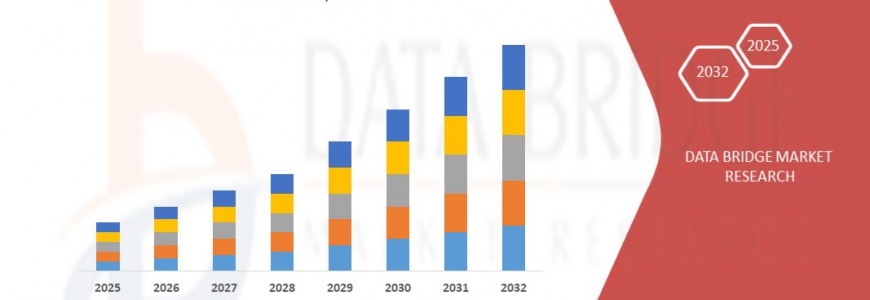
The Europe Refrigerant Market was valued at USD 6.96 billion in 2024 and is expected to reach USD 10.12 billion by 2032. During the forecast period of 2025 to 2032 the market is likely to grow at a CAGR of 4.9% primarily driven by the increasing demand for energy-efficient and eco-friendly refrigeration solutions
The Europe Refrigerant Market plays a critical role in supporting the region’s heating, ventilation, air conditioning, and refrigeration (HVAC&R) ecosystem. Refrigerants are essential working fluids used in cooling and heating systems across residential, commercial, industrial, and automotive applications. As Europe continues to prioritize energy efficiency, climate neutrality, and sustainability, the refrigerant market is undergoing a significant transformation driven by regulatory frameworks, technological innovation, and shifting consumer preferences.This article provides a comprehensive analysis of the Europe refrigerant market, covering market drivers, restraints, segmentation, regional insights, competitive landscape, and future opportunities shaping the industry.
Market Overview
Refrigerants are chemical compounds that absorb heat and provide cooling when circulated through HVAC and refrigeration systems. Traditionally, synthetic refrigerants such as chlorofluorocarbons (CFCs) and hydrofluorocarbons (HFCs) dominated the market due to their efficiency and stability. However, growing concerns over ozone depletion and global warming potential (GWP) have led Europe to transition toward environmentally friendly alternatives.
The European refrigerant market is currently characterized by a gradual phase-down of high-GWP refrigerants and an accelerated adoption of natural refrigerants and low-GWP synthetic options. This shift is reshaping supply chains, product portfolios, and investment strategies across the region.
See what’s driving the Europe Refrigerant Market forward. Get the full research report:
https://www.databridgemarketresearch.com/reports/europe-refrigerant-market
Key Market Drivers
Stringent Environmental Regulations
Europe has some of the most progressive environmental regulations globally. Policies aimed at reducing greenhouse gas emissions have significantly impacted the refrigerant market. The gradual phase-down of high-GWP refrigerants has created strong demand for alternative solutions with lower environmental impact.
Growth of HVAC&R Industry
Urbanization, population growth, and rising living standards have increased the demand for air conditioning, refrigeration, and heat pump systems. Commercial buildings, cold storage facilities, supermarkets, and data centers are key contributors to refrigerant consumption across Europe.
Rising Adoption of Heat Pumps
Heat pumps are gaining widespread acceptance as energy-efficient and low-emission heating solutions, particularly in residential and commercial sectors. Many heat pump systems rely on natural refrigerants, which is positively influencing market growth.
Focus on Energy Efficiency
Energy efficiency has become a top priority for European industries and households. Advanced refrigerants improve system efficiency, reduce energy consumption, and support sustainability goals, driving their adoption across multiple applications.
Market Restraints
High Transition Costs
The shift from conventional refrigerants to low-GWP alternatives often requires system redesigns, equipment upgrades, and technician retraining. These costs can be a barrier, particularly for small and medium-sized enterprises.
Safety and Handling Challenges
Some natural refrigerants, such as ammonia and hydrocarbons, pose flammability or toxicity risks if not handled properly. Strict safety standards and specialized training are required, which may limit adoption in certain applications.
Supply Chain Complexity
The refrigerant market faces challenges related to availability, production capacity, and pricing volatility, particularly during regulatory transitions and seasonal demand fluctuations.
Market Segmentation
By Refrigerant Type
Hydrofluorocarbons (HFCs): Still widely used but gradually declining due to high GWP values.
Hydrofluoroolefins (HFOs): Low-GWP synthetic refrigerants gaining popularity in automotive and commercial refrigeration.
Natural Refrigerants: Including ammonia, carbon dioxide, and hydrocarbons, these are increasingly favored for their minimal environmental impact.
Others: Blended refrigerants designed to balance performance, safety, and environmental compliance.
By Application
Commercial Refrigeration: Supermarkets, cold storage, and food processing facilities represent a major share of refrigerant demand.
Industrial Refrigeration: Used in manufacturing, chemical processing, and large-scale cooling systems.
Residential Air Conditioning: Growing demand driven by climate change and improved living standards.
Automotive Air Conditioning: Transitioning toward low-GWP refrigerants to meet emission standards.
Heat Pumps: A rapidly expanding segment supporting Europe’s decarbonization goals.
Regional Insights
Western Europe dominates the refrigerant market due to advanced infrastructure, high HVAC penetration, and early adoption of environmentally friendly technologies. Countries such as Germany, France, the United Kingdom, and Italy are leading markets, driven by strong industrial activity and regulatory compliance.
Northern Europe shows rapid growth in heat pump adoption, particularly in residential heating applications. Southern Europe continues to experience increasing demand for air conditioning due to rising temperatures and tourism-driven infrastructure development. Eastern Europe represents an emerging market, with modernization of refrigeration systems and growing construction activity supporting future growth.
Competitive Landscape
The Europe refrigerant market is moderately consolidated, with a mix of global chemical manufacturers and regional suppliers. Market participants focus on product innovation, regulatory compliance, and strategic partnerships to strengthen their presence. Key competitive strategies include:
Development of low-GWP and natural refrigerant solutions
Investment in research and development for improved performance and safety
Expansion of distribution networks across Europe
Collaboration with HVAC equipment manufacturers
Companies that can offer environmentally compliant, cost-effective, and energy-efficient refrigerants are well-positioned to gain a competitive edge.
Emerging Trends
Shift Toward Natural Refrigerants
Carbon dioxide, ammonia, and hydrocarbons are increasingly used in commercial and industrial applications due to their negligible GWP and long-term regulatory viability.
Innovation in Refrigerant Blends
Manufacturers are developing advanced blends that reduce environmental impact while maintaining performance, safety, and compatibility with existing systems.
Digitalization and Smart Systems
Smart HVAC and refrigeration systems optimize refrigerant usage, detect leaks, and improve efficiency, indirectly influencing refrigerant demand and lifecycle management.
Technician Training and Certification
As new refrigerants enter the market, training programs and certification standards are becoming increasingly important to ensure safe handling and system efficiency.
Future Outlook
The Europe refrigerant market is expected to experience steady growth over the coming years, driven by sustainability goals, regulatory mandates, and technological advancements. The transition toward low-GWP and natural refrigerants will remain the defining trend, reshaping market dynamics and investment priorities.
While challenges such as high transition costs and safety considerations persist, continuous innovation and supportive policy frameworks are likely to mitigate these barriers. The expansion of heat pumps, cold chain infrastructure, and energy-efficient buildings will further support market growth.
Conclusion
The Europe refrigerant market is at a pivotal stage of transformation, moving away from traditional high-GWP refrigerants toward sustainable and energy-efficient alternatives. Environmental regulations, rising HVAC demand, and the push for decarbonization are collectively driving this evolution. Companies that align their strategies with regulatory trends and invest in innovative refrigerant solutions will be best positioned to capitalize on emerging opportunities in this dynamic market.
Browse More Reports:
Global Water Treatment Chemicals Market
Global Scented Candle Market
Global Ceramics Market
Europe Japanese Restaurant Market
Global Tuna Market
Global Japanese Restaurant Market
Global Tote Bags Market
Global Gemstones Market
Global Smart Fleet Management Market
Global Hypochlorous Acid Market
Global Toothbrush Market
Global Cataracts Market
Global Plant-Based Food Market
Global Eyewear Market
Global Processed Fruits Market
About Data Bridge Market Research:
An absolute way to forecast what the future holds is to comprehend the trend today!
Data Bridge Market Research set forth itself as an unconventional and neoteric market research and consulting firm with an unparalleled level of resilience and integrated approaches. We are determined to unearth the best market opportunities and foster efficient information for your business to thrive in the market. Data Bridge endeavors to provide appropriate solutions to the complex business challenges and initiates an effortless decision-making process. Data Bridge is an aftermath of sheer wisdom and experience which was formulated and framed in the year 2015 in Pune.
Contact Us:
Data Bridge Market Research
US: +1 614 591 3140
UK: +44 845 154 9652
APAC : +653 1251 975
Email:- [javascript protected email address]
Neuste Artikel
- How Advanced Manufacturing Demand Is Accelerating the Nano Silica Market (
 kshdbmr)
 - Top 5G Rollouts Ignite a New Growth Cycle for the RF Components Market ( kshdbmr)
- Leading Therapy Advancements Redefine the Multiple Sclerosis Market Outlook ( kshdbmr)
- Most Urgent Water Safety Demands Propel the Liquid Filtration Market ( kshdbmr)
- How Urban Living Pressure Is Reshaping the Folding Furniture Market ( kshdbmr)
- Top Infrastructure Spending Sparks Fresh Momentum in the Flat Steel Market ( kshdbmr)
Die neuesten Forenbeiträge
Werbung